High Voltage Cable Height Monitoring
A device to continuously monitor high voltage electricity cable height above the ground using a safe laser, communicating the data via long range wireless.
Over time, electricity transmission cables can sag towards the ground as towers move and parts wear. In some cases the distance between the ground and the cable can approach the regulatory minimum. For such cables the transmission provider, which in New Zealand is Transpower, would like to keep a watch on the height. Consequently myself and partner at the time were commissioned to develop a height monitoring unit capable of continuously returning height data.
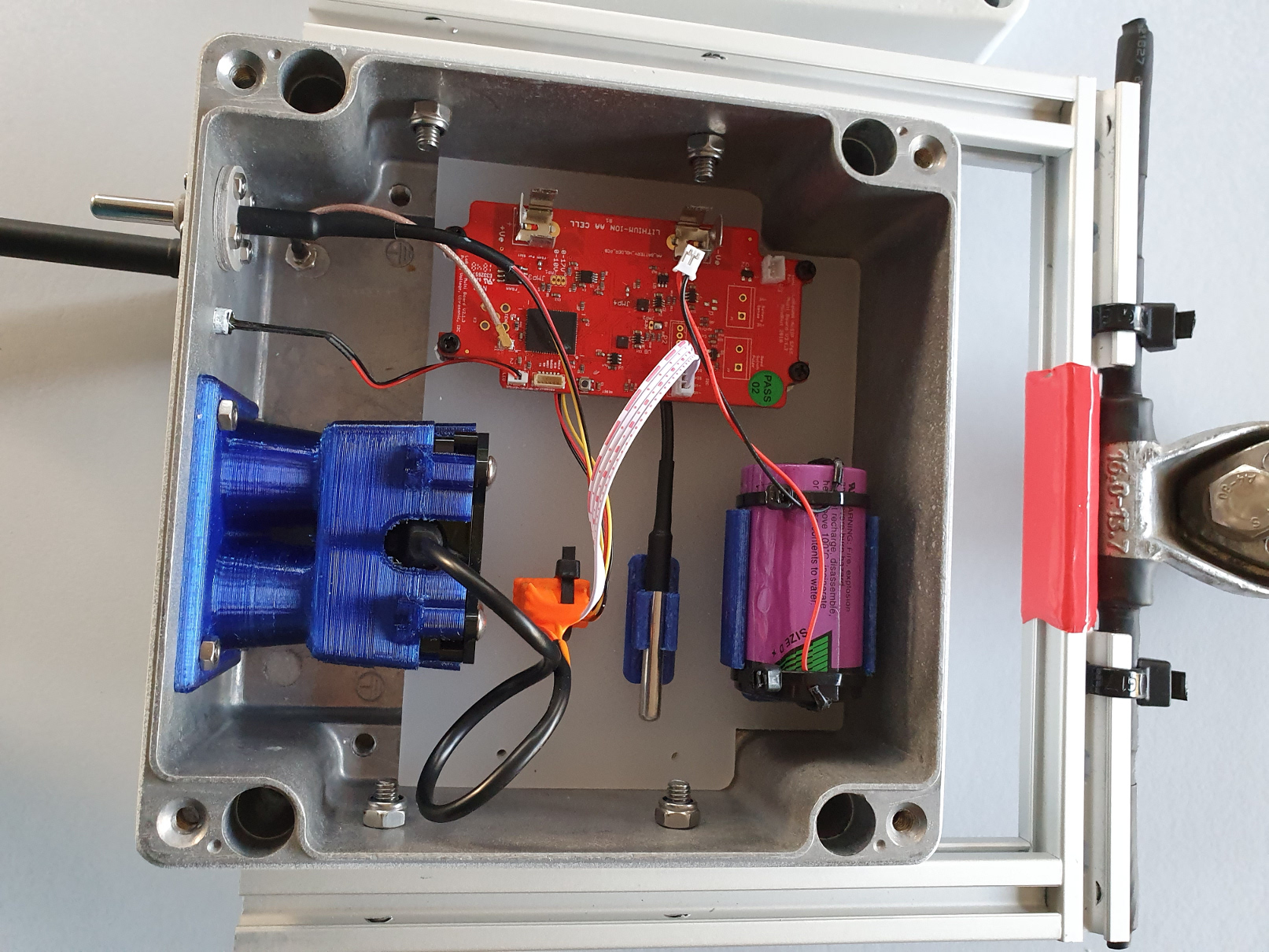
The prototype field units that I developed incorporate a lidar range sensor, temperature sensors and a LoRa long distance radio to communicate the data to a logging and visualisation application, so that Transpower can observe changes in the cable height, which typically occur with changes in temperature due to weather conditions and current flowing through the cable.
Before developing a lidar unit, I undertook some initial tests at Haywards sub-station to ensure that a LoRa radio would operate in an environment with very high electromagnetic fields.
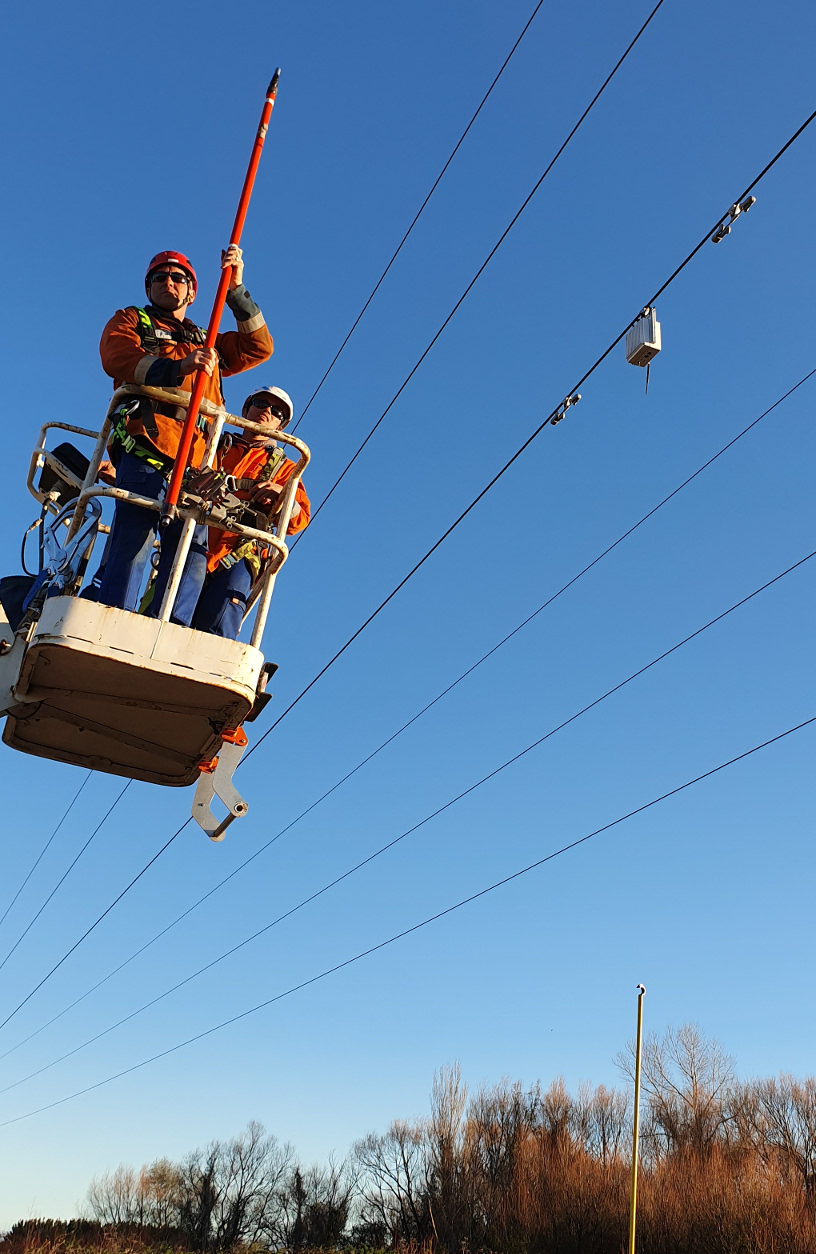
Two units, using my custom microcontroller / LoRa radio board, were then assembled and installed on different 'at risk' high voltage electricity cables. They were mounted onto the cables using insulated 'hot sticks', which lines crews use regularly to install various operational items onto cables whilst they are still live.
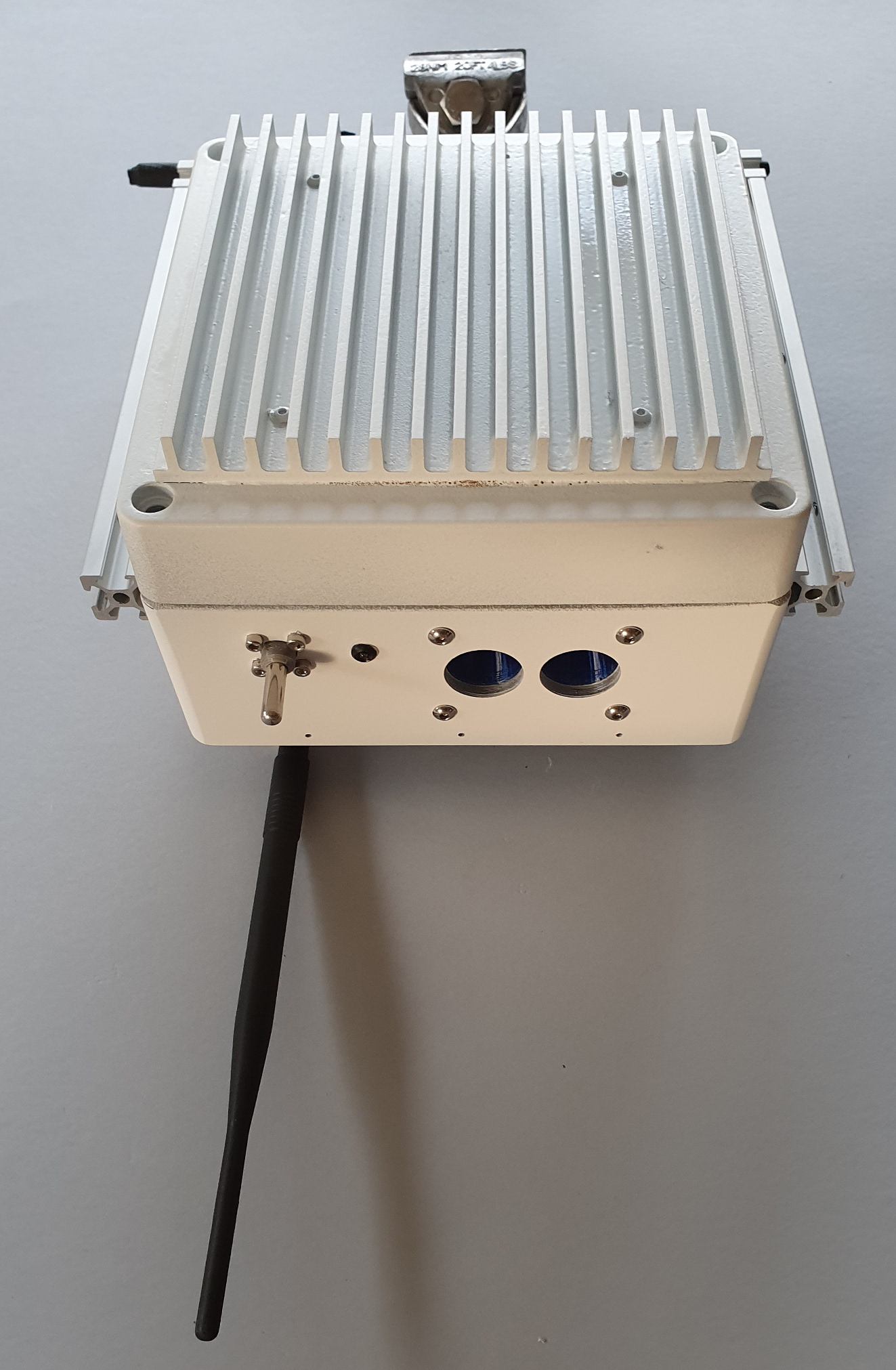
The two battery powered units ran successfully for several months providing appropriate line sag data via applications that I provided.
Eventually it is expected that Transpower will be looking to deploy quantities of modified mark II units throughout the country to monitor cables at risk so as to be able to have much better information on which to plan remedial maintenance, prioritising work on those cables where risks of regulatory violation are highest.